Philosophy
Philosophy / Ancient
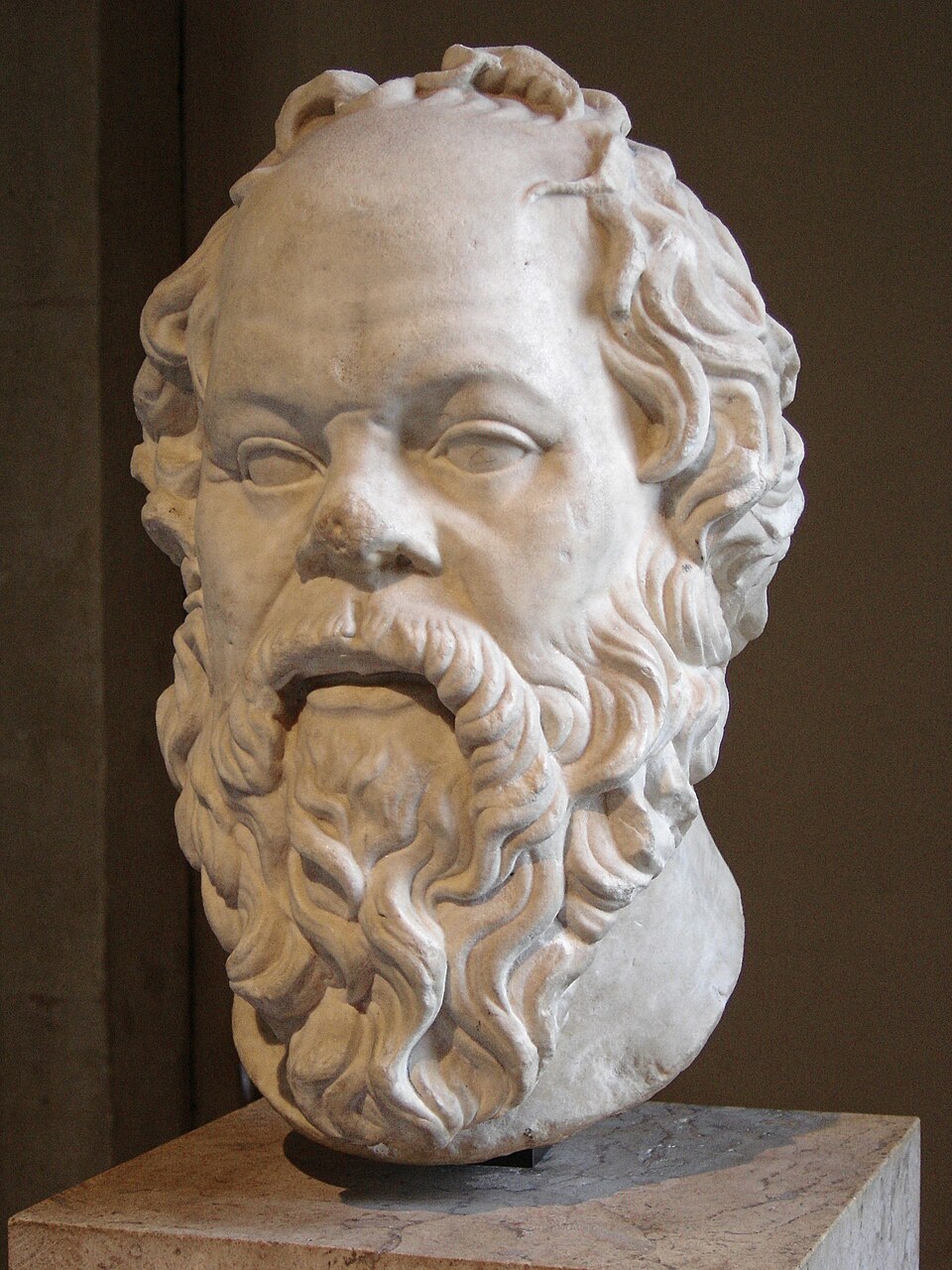
Socrates
470 BCE — c. 399 BCE苏格拉底
Ancient Greek philosopher (c. 470–399 BC)
Born470 BCE
BirthplaceAlopeke
Fieldsphilosopher, teacher, writer
The story, in brief.
Socrates was an ancient Greek philosopher from Classical Athens, perhaps the first Western moral philosopher, and a major inspiration on his student Plato, who largely founded the tradition of Western philosophy. An enigmatic figure, Socrates authored no texts and is known mainly through the posthumous accounts of classical writers, particularly his students Plato and Xenophon. These accounts are written as dialogues, in which Socrates and his interlocutors examine a subject in the style of question-and-answer; they gave rise to the Socratic dialogue literary genre. Contradictory accounts of Socrates make a reconstruction of his philosophy nearly impossible, a situation known as the Socratic problem. Socrates was a polarizing figure in Athenian society. In 399 BC, he was accused of impiety and corrupting the youth. After a trial that lasted a day, he was sentenced to death. As related by Plato, he was put to death by administration of poison (hemlock) after refusing offers from allies to help him escape.
Introduction from Wikipedia contributors, CC BY-SA 4.0. Read the full biography ↗
A life in milestones.
Selected records from Wikidata. Ages are approximate; “c.” marks uncertain dates. This is a starting point for exploration, not a complete life history.
This edition has life dates for Socrates; more sourced milestones are still to be added.
- 470 BCE
- c. 399 BCE~ age 71
Behind this profile
Sources retrieved 2026-11-01. Dates and milestones: Wikidata contributors, CC0 ↗. Biographical introduction: Wikipedia contributors, CC BY-SA 4.0. Ancient dates and traditional biographies may be disputed; consult the linked records.
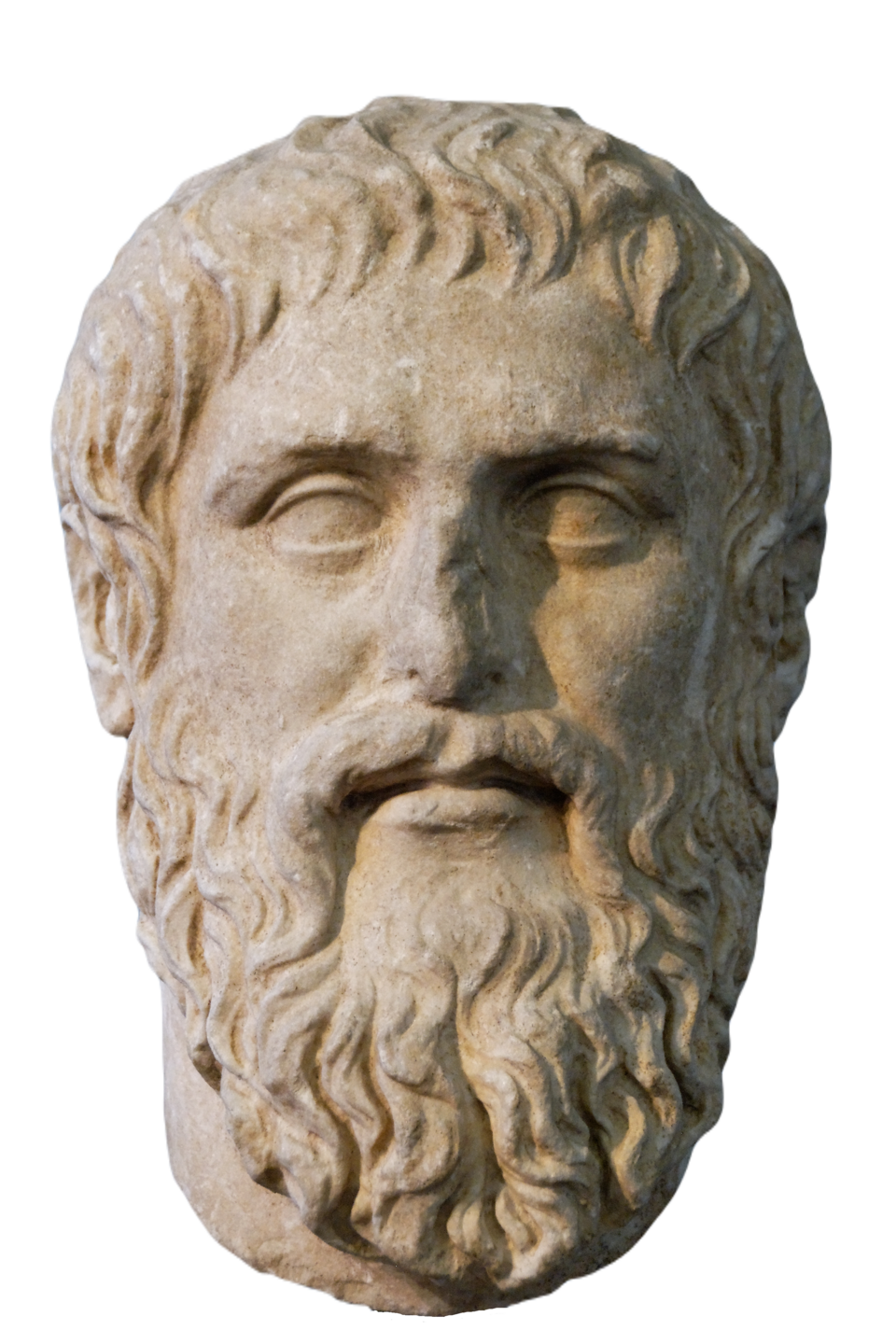
Portrait: Copy of Lysippos (?) · Public domain · Original and attribution ↗. Display cropped and desaturated.
KEEP EXPLORING / Philosophy
Explore this field ↗